 how-to
9 Ways to Save Money on a Kitchen Remodel
Last Updated: November 10, 2026
Quick Summary
The most effective way to save money kitchen remodel projects is to set a realistic budget before work begins, then keep solid cabinet boxes and refresh doors and hardware instead of replacing everything. Get at least three itemized estimates, compare scope line by line, and keep a contingency reserve for hidden repairs.
- Set a budget and list must-haves before any work begins.
- Get at least three itemized estimates and compare scope, not just totals.
- Keep sound cabinet boxes and refinish, reface, or replace only doors and hardware.
- Set aside a contingency fund for hidden costs like old wiring or water damage.
- Check each bid for demolition, allowances, exclusions, and change-order terms.
Table of Contents
- How to Save Money on a Kitchen Remodel: Start With a Realistic Budget
- How to Save Money on Kitchen Cabinets Without Sacrificing Quality
- Cabinet Refacing vs. Replacement: Which Saves More
- Replace Kitchen Countertops and Backsplash on a Budget
- Where to Splurge, Where to Save, and How to Compare Contractor Bids
- Booking Your Free Estimate and Planning Your Remodel Sequence
- Frequently Asked Questions
How to Save Money on a Kitchen Remodel: Start With a Realistic Budget
Most homeowners who save money on a kitchen remodel do one thing first: they set a realistic number before anyone picks up a hammer, because a clear plan is the real way to save money kitchen remodel projects.
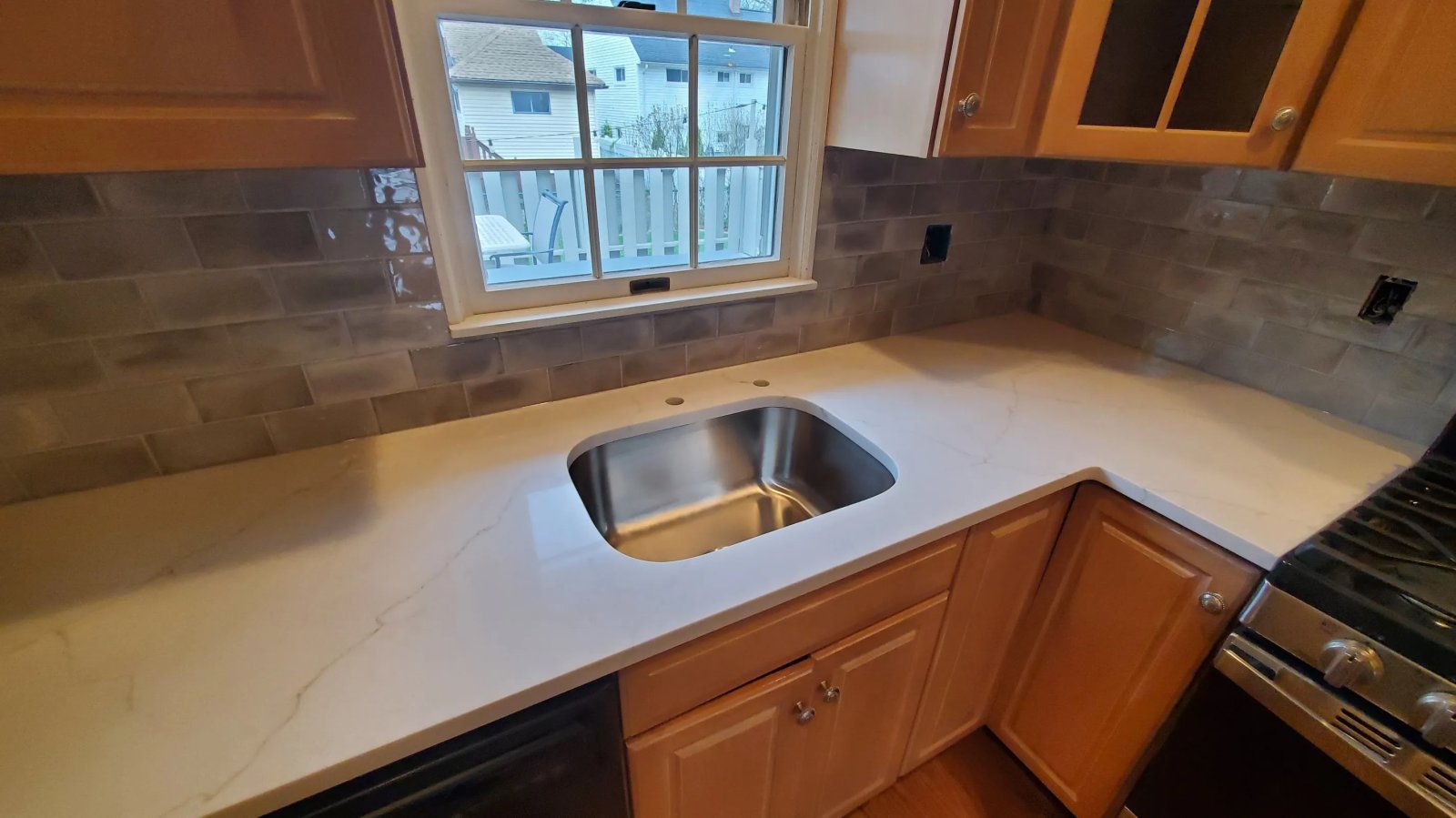
A kitchen remodel budget is the total amount you plan to spend, split across cabinets, countertops, flooring, appliances, labor, and a reserve. Knowing those categories ahead of time keeps you in control.
Here is how to build a starting budget:
- List your must-haves. Cabinets, counters, sink, and faucet usually come first.
- Separate wants from needs. A pot filler or wine fridge can wait.
- Get at least three estimates. Compare scope, not just the bottom line.
Itemized Cost Ranges and Where the Money Goes
Labor and materials make up most of a remodel. Cabinets often take a large share of the budget, followed by countertops and installation. Pricing varies widely by region, material, and project size, so treat any number you find online as a starting point rather than a promise.
Ask every contractor for an itemized bid. A line-by-line estimate shows you exactly where each dollar goes and makes it easier to spot where you can trim without hurting the result.
Contingency Planning and Hidden Costs
Hidden costs catch many homeowners off guard. Old wiring, water damage behind the sink, or outdated subfloors often appear only after demolition begins.
A common approach is to set aside a contingency fund for unexpected costs. If you never need it, the money stays in your pocket. If you do, the project keeps moving without a financing scramble.
How to Save Money on Kitchen Cabinets Without Sacrificing Quality
Cabinets are where many homeowners can save the most when they set out to save money kitchen remodel costs, because replacing every box is rarely necessary. Solid cabinet boxes can remain in good condition for many years, even when the doors and finish look tired.
Keep, Refinish, or Reface Your Existing Cabinets
Before you buy anything new, check whether your current cabinet boxes are sound. Look for warped shelves, loose joints, and water damage inside the base cabinets.
If the boxes are in good shape, you have three cheaper paths:
- Keep them as they are if the layout works and the finish is still good.
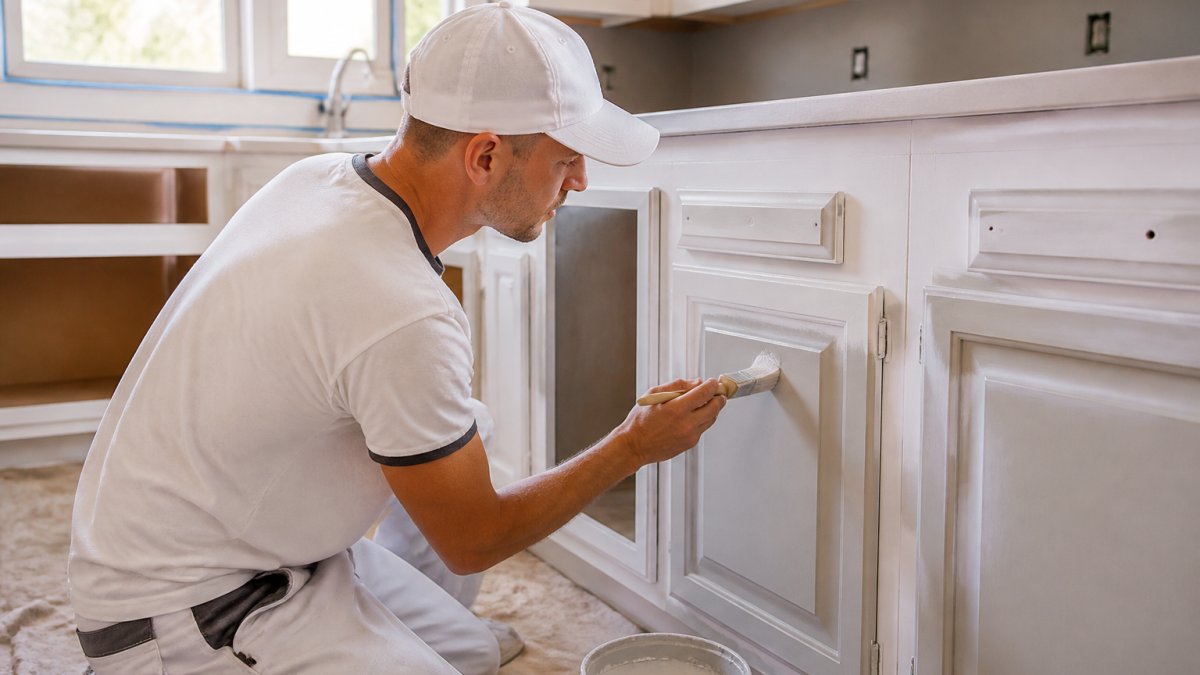
- Refinish them by sanding, staining, or painting for a fresh look.
- Reface them by covering the existing frames with new veneer and doors. If you want a fresh look without replacing the boxes, kitchen cabinets refacing is an option to price out alongside a full replacement.
Refacing keeps the familiar footprint and avoids moving plumbing, gas lines, or electrical connections. To judge how long refaced cabinets will hold up against that savings, check how long refaced cabinets last. That alone can remove a major expense from the budget.
Replace Doors and Hardware Instead of Full Cabinets
New doors and drawer fronts can change a kitchen more than most people expect. Pairing them with new pulls and hinges adds a modern feel at a fraction of the cost of new cabinets.
Soft-close hardware is worth considering for daily use, since it can reduce wear on drawers and doors over time.
Cabinet Refacing vs. Replacement: Which Saves More
Refacing can cost less than full replacement because it reuses the cabinet boxes. To see how long each step of the refacing process takes, read how long each refacing phase takes.
Watch out: Refacing only works well when the boxes are sound. Trying to reface cabinets with water damage or broken frames can waste money on a finish that will not last.
Refacing makes the most sense when:
- Your cabinet boxes are solid and well built.
- You like the current layout.
- You want a big visual change without moving walls or utilities.
Full replacement may be the better call when the layout no longer works or the boxes are damaged. Compare both quotes side by side before you decide.
The two main cabinet paths differ in cost drivers and when each makes sense.
| Option | Best for | Key difference |
|---|---|---|
| Refacing | Solid cabinet boxes | Reuses existing boxes, new veneer and doors |
| Replacement | Damaged boxes or a new layout | Full fresh start, adds demolition and install time |
| Refacing | Keeping the current layout | Avoids moving plumbing, gas, or electrical |
| Replacement | Layout no longer works | Requires new boxes and fuller installation |
Replace Kitchen Countertops and Backsplash on a Budget
Countertops and backsplash shape the look of a kitchen, and they offer real room to save. Choosing a lower-cost material or a smaller area can cut the bill without hurting the final result.
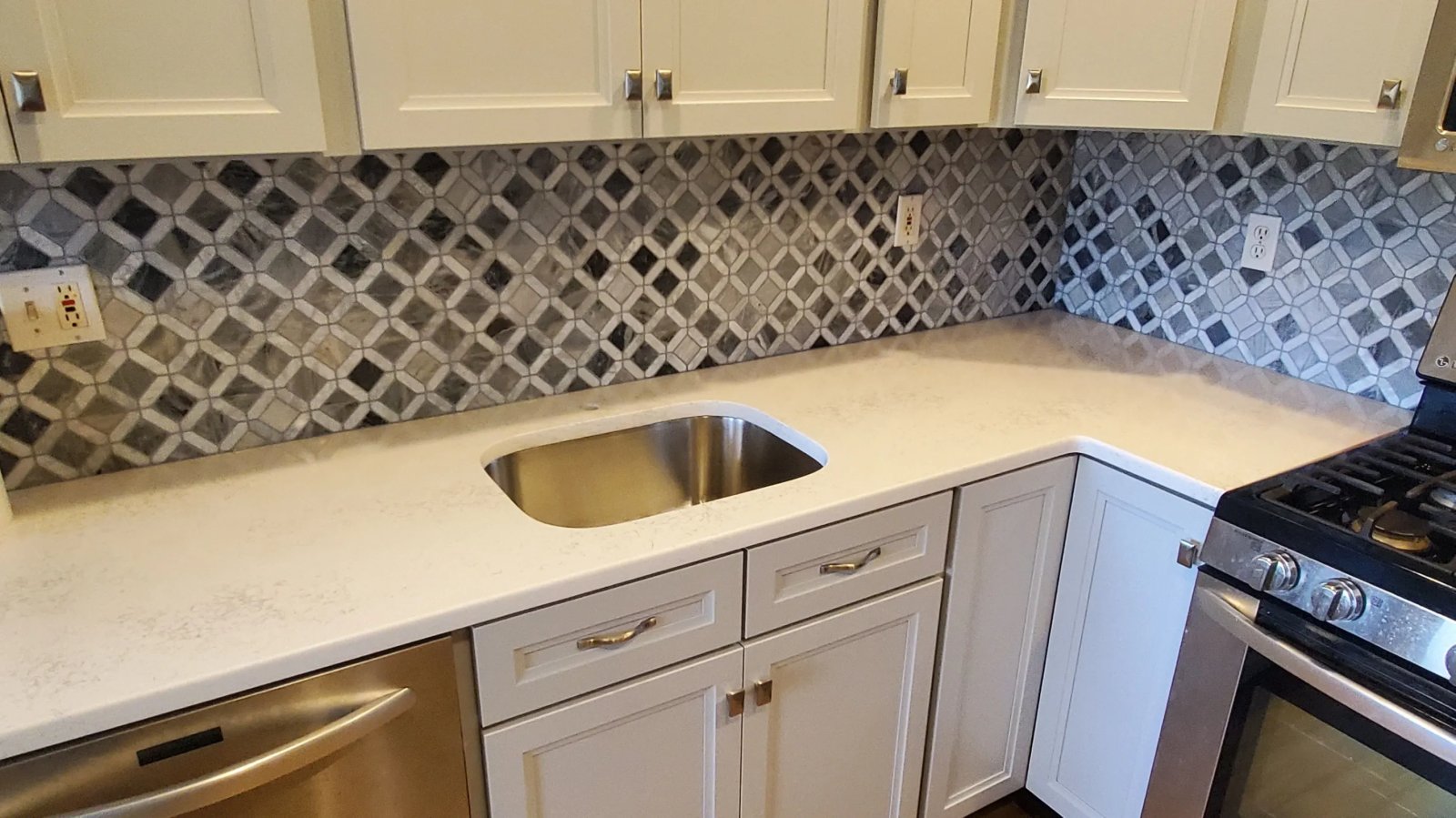
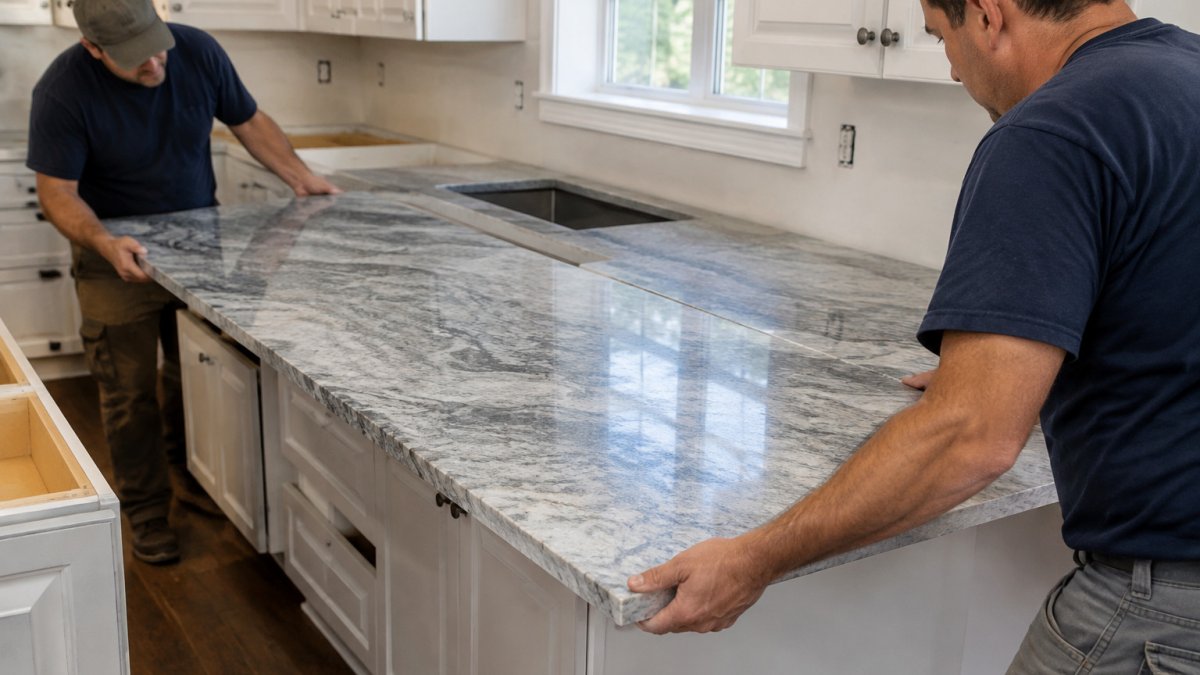
Compare popular options such as laminate, solid surface, quartz, and natural stone. To see whether a new countertop can go in without replacing your cabinets, read replacing countertops without new cabinets.
For the backsplash, consider these budget-friendly ideas:
- Use a smaller area. Tile only behind the sink and cooking range.
- Choose affordable tile. Ceramic and porcelain tile look good and cost less than many stones.
- Keep the pattern simple. Basic layouts require less cutting and labor.
Where to Splurge, Where to Save, and How to Compare Contractor Bids
Knowing where to spend more helps you save elsewhere. Spending on items you touch daily or that protect the rest of the work usually pays off, while cheaper options work well for less visible parts of the kitchen.
Consider splurging on:
- The sink and faucet, which see daily use and wear.
- Drawer hardware and hinges, which determine how the kitchen feels every time someone opens a drawer.
- Installation quality, which protects everything else you buy. Poor cabinet leveling or sloppy countertop seams can shorten the life of finishes.
Consider saving on:
- Cabinet interiors and hidden shelving, where a laminate or basic plywood finish performs as well as premium material.
- Decorative trim and extra molding, which add cost quickly but rarely change function.
- Appliances, where a mid-range model can meet everyday cooking needs.
Comparing Contractor Bids Line by Line
A low bid is only useful if it describes the same work as the others. Put every bid side by side and check these items in each one:
- Scope. Confirm whether demolition, haul-away, and disposal are included. Missing demolition can make a bid look cheaper than it is.
- Allowances. Many bids list a dollar figure for countertops, tile, or fixtures. If the allowance is lower than the material you want, the difference will be billed back to you as a change order. Ask what each allowance covers and compare it with real product prices.
- Exclusions. Look for language such as "not included" around permits, patching drywall, painting, moving appliances, or work behind walls that may be uncovered after demolition.
Watch out: a bid that omits permits or licensed trade work for electrical and plumbing may look cheaper, but those costs can return later as an add-on or a code issue.
Permits and licensing matter for several phases. Electrical and plumbing rough-in work often requires a licensed trade, and unpermitted work can complicate insurance claims and resale. Confirm which steps your jurisdiction requires before attempting any of them yourself.
Booking Your Free Estimate and Planning Your Remodel Sequence
A good remodel follows a clear decision order, and most rework and delay come from making choices out of sequence. Working through the steps below in order keeps spending controlled and reduces the chance that a later decision forces changes to earlier work.
The Decision Sequence
- Set the scope and measure. Record the exact dimensions of the room, the location of plumbing, gas, and electrical connections, and any walls that may be load-bearing. Decisions about layout depend on these measurements.
- Decide keep, reface, or replace. Settle the cabinet question first, because it affects the countertop template, the backsplash area, and the appliance openings.
- Finalize the layout and utilities. Lock in the sink, range, and refrigerator locations before any rough-in work. Moving a drain or gas line after walls are closed is one of the costliest changes in a remodel.
- Collect itemized bids. Use the same scope document for every contractor so the totals can be compared directly.
- Order long-lead items. Cabinets, specialty appliances, and some countertop materials can take weeks to arrive. Ordering them after demolition can cause idle time and crew costs.
- Schedule templating and installation. Countertops are usually templated after cabinets are set, then fabricated and installed. Book these dates with the fabricator early.
- Complete rough-in inspections, then finish work. Backsplash, paint, and final trim generally come last, after electrical and plumbing have been inspected.
Why the Order Matters
Ordering the steps this way reduces rework. Choosing a countertop before the cabinets are installed, for example, can leave little room for error in the template. Confirming appliance dimensions before cabinet orders prevents mismatched openings.
Requesting a Free Estimate
If you are ready to explore your options, request a free estimate from Ziggy's Kitchens LLC to see how refacing or replacement fits your budget.
Ready to start planning? Ziggy's Kitchens LLC has served Central New Jersey homeowners since 1995 with family-owned care and fully licensed, insured work. Reach out for a free estimate and let us help you save on your kitchen remodel without cutting corners.
Frequently Asked Questions
Is $10,000 enough for a kitchen remodel?
It can be, depending on scope. A $10,000 budget usually covers a focused project such as refacing cabinets, replacing countertops, and updating a backsplash and hardware, while keeping the existing layout and plumbing in place. A full gut renovation with new cabinets, relocated appliances, and structural work typically needs a larger budget. Get itemized bids from several contractors so you can see exactly what your number covers before you commit.
Is cabinet refacing cheaper than replacing kitchen cabinets?
In most cases, yes. Refacing keeps the existing cabinet boxes and replaces the doors, drawer fronts, and veneer, so you avoid the cost of demolition and new cabinet construction. It works best when the cabinet boxes are sound and the layout already works for you. Ziggy's Kitchens LLC offers 5-piece and traditional 1-piece door refacing, and a free estimate can show you the difference for your specific cabinets.
Can I save money by keeping my existing kitchen layout?
Yes. Keeping the current layout avoids moving plumbing, gas lines, and electrical connections, which are among the most expensive parts of a remodel. Changing only the surfaces, cabinet fronts, and fixtures keeps labor focused and reduces the risk of surprise costs behind the walls. If the layout truly does not work for your household, plan any relocation early so the extra work is budgeted from the start.
What parts of a kitchen remodel are worth spending more on?
Spend more on items you touch and use daily and on structural components that are hard to change later. Durable cabinet boxes, quality drawer hardware such as soft-close slides, and a countertop that suits your cooking habits are common places to invest. Save on items that are easy to upgrade later, such as paint colors, decorative hardware, or temporary lighting. Ask any contractor to explain what each line item includes so you can compare value, not just price.